
The complete guide
How to Choose a Linen Look Cushion Cover That Actually Works in Your Room
The problem with buying cushions
Most people buy cushions the wrong way round. They see a colour they like, buy a filled cushion, bring it home, and discover it is too small for the sofa, too firm to lean on, or a shade off everything else in the room. Then it sits on a chair in the spare room for three years.
Buying the cover separately solves a surprising amount of that. You get to choose the colour and the size on their own terms, and you get to pick the filling that suits how you actually sit. It also means that when you get bored of yellow in two years, you change one cover rather than throwing out a whole cushion.
This guide covers what a linen look cushion cover is, what the 40 x 60 cm size is good for, how to match it with an insert, and how to look after it.
What "linen look" actually means
Linen comes from flax. It is a strong plant fibre with a slightly uneven surface, a matt finish and a habit of creasing the moment you sit on it. Those creases are part of the appeal for some people and an irritation for others.
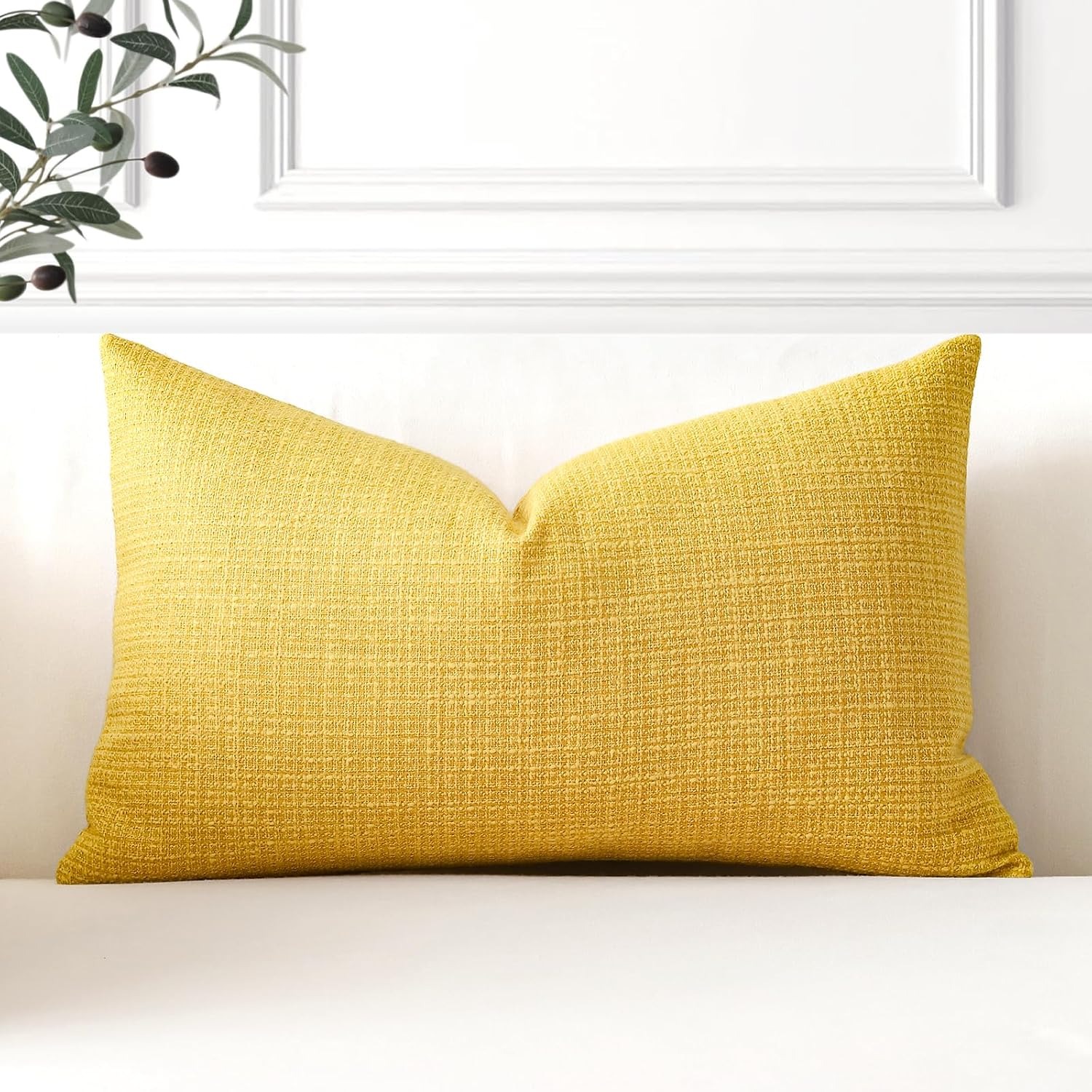
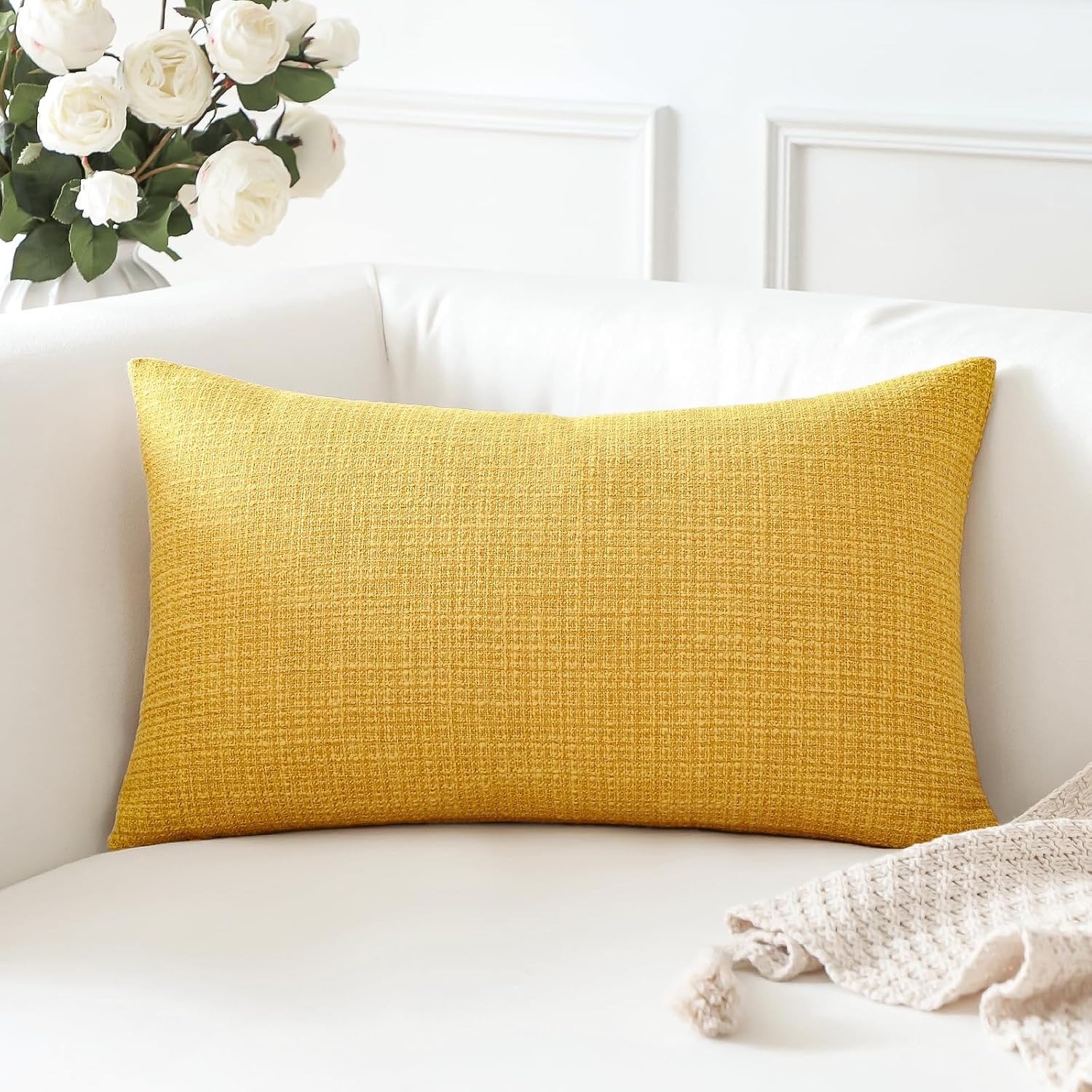
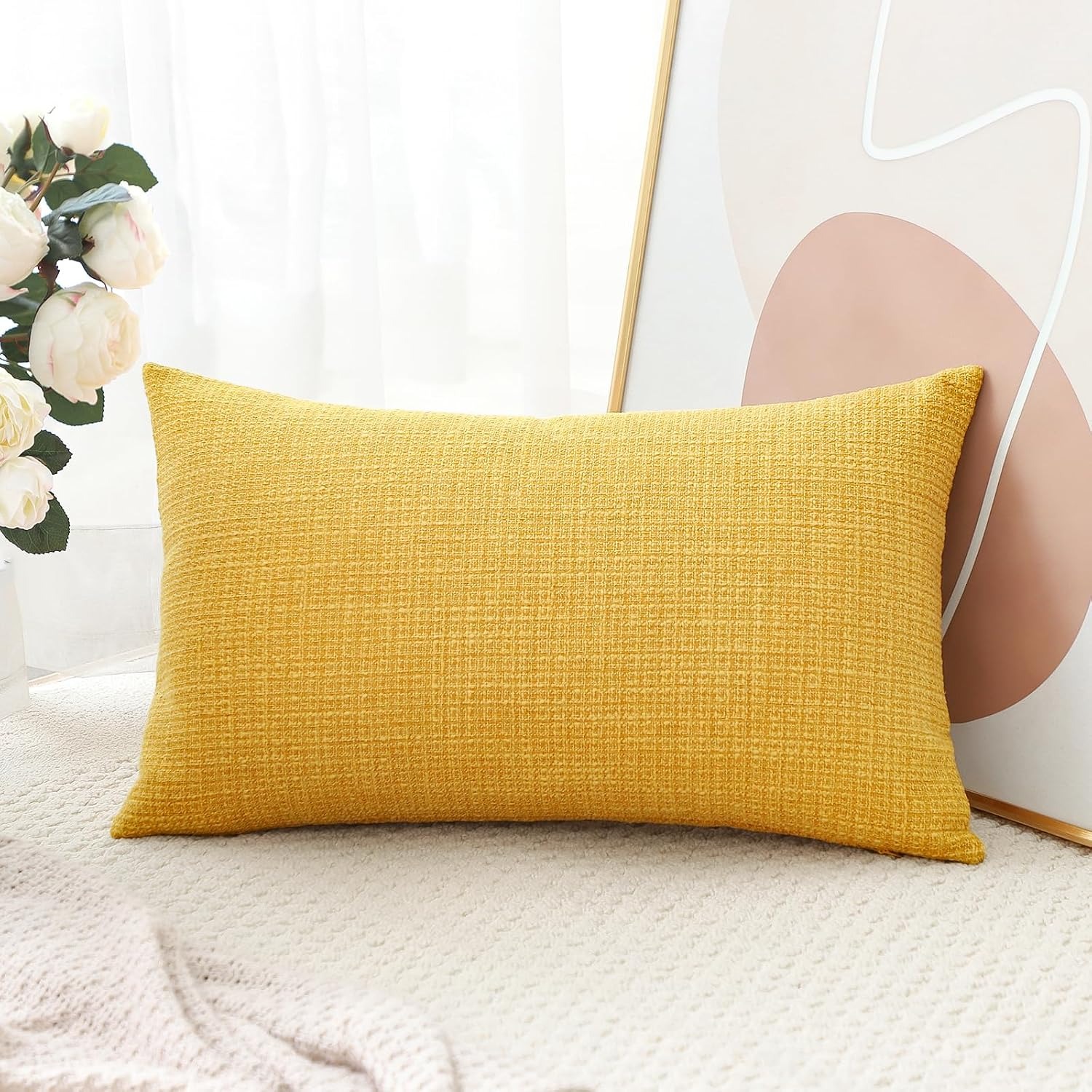
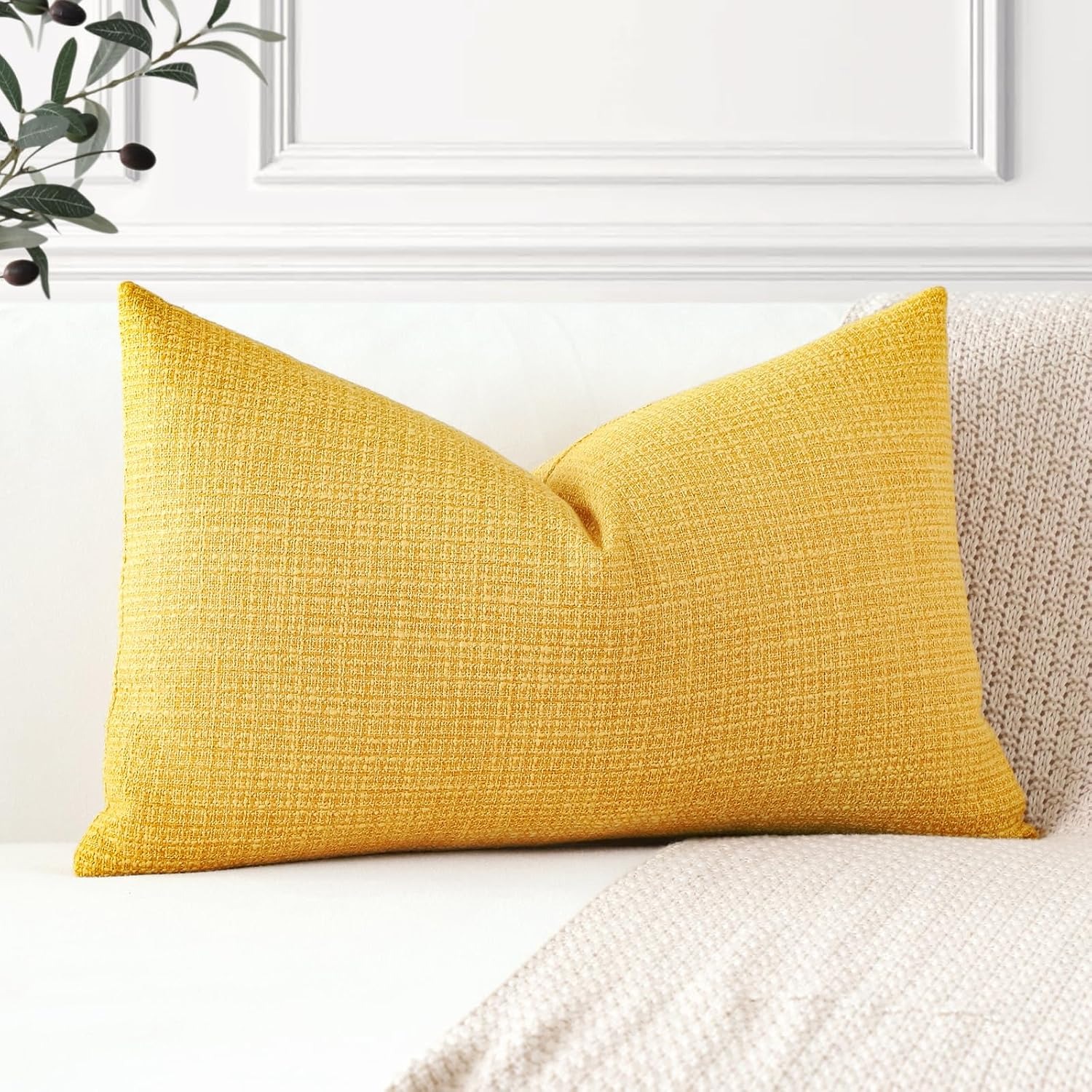
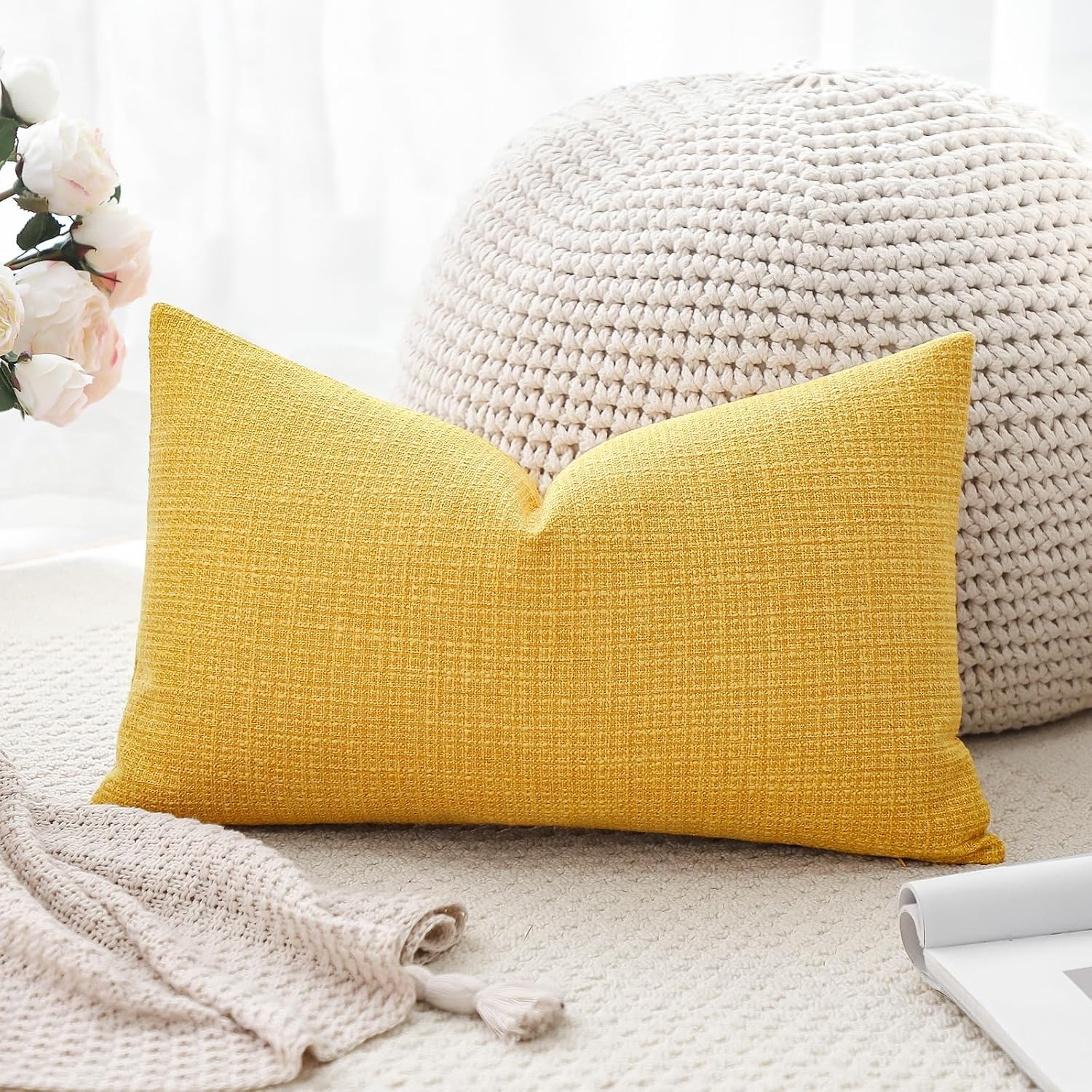
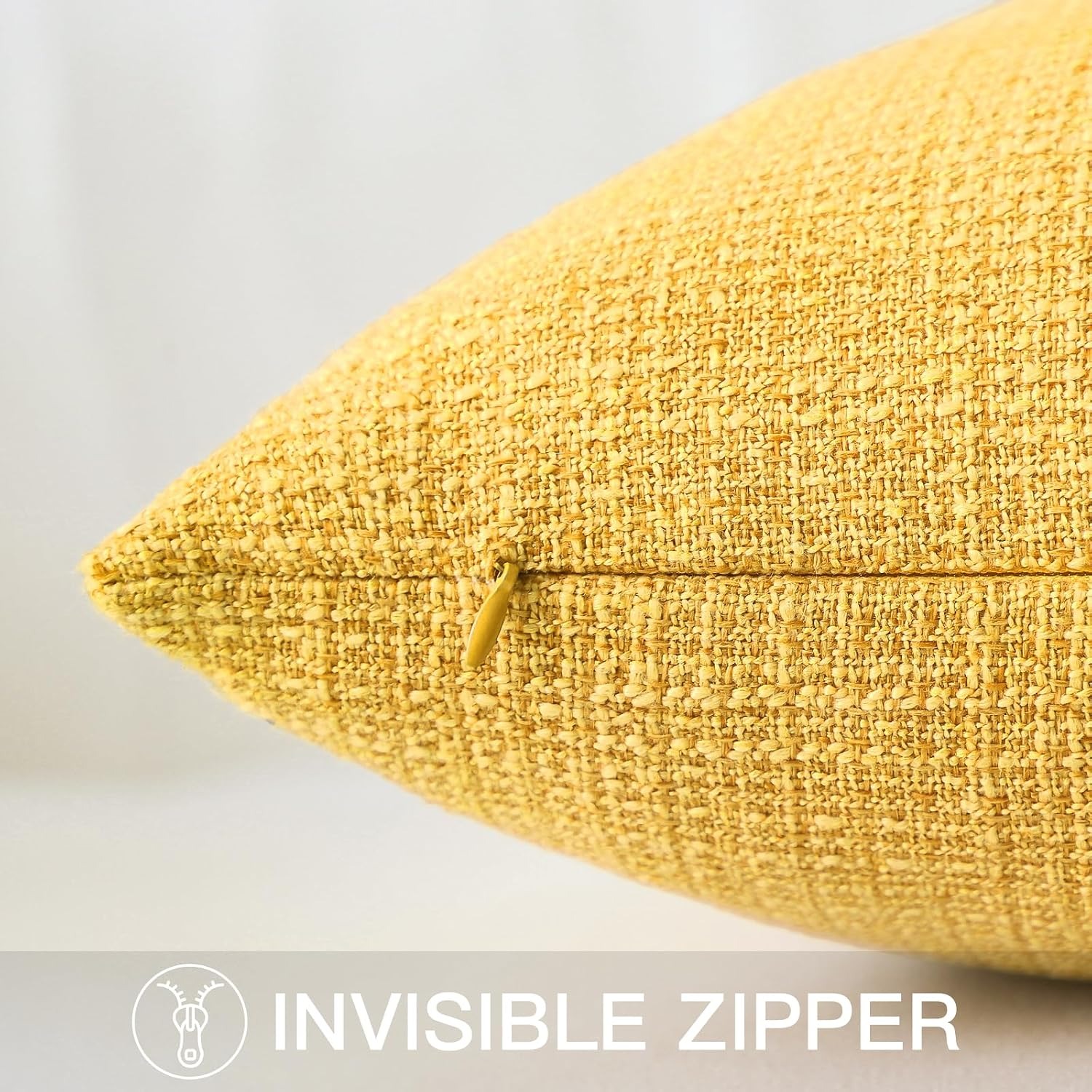
A linen look fabric copies the appearance without using flax. This cover is made from polyester fibre woven to give a linen look, as the maker states. The weave is slightly textured, the finish is matt rather than shiny, and from a step back it reads as a natural fabric. Up close you can tell the difference, because polyester does not have the cool, dry feel of flax.
The practical trade off runs like this. Flax breathes better and feels cooler in summer. Polyester creases less and usually costs less. For a cushion on a busy sofa, the synthetic weave usually wins on day to day sense. For bedding against skin all night, the argument tilts the other way.
When choosing a polyester linen look cushion cover for a living room, the things to check are the weave density, whether the colour looks even across the panel, and whether the zip is concealed. All three affect how expensive the cushion looks once it is on the seat.
Why 40 x 60 cm is such a useful size
Square cushions get most of the attention, but a 40 x 60 cm rectangle does a different job. It is often called a lumbar cushion, and the name tells you why it exists. Laid across a seat, it fills the gap between the back of the sofa and the small of your back. That is the spot where most seating fails people.
On a three seat sofa, one rectangle in the middle with a square cushion at each end is a classic arrangement that does not look overdone. On a bed, the rectangle goes in front of the sleeping pillows, where it adds height and colour without being something you have to move far at bedtime.
It is also the right shape for a reading chair, a window seat or a desk chair. If you want a cushion to lean against rather than one for decoration, this is the size to start with, because it sits behind the small of the back instead of pushing your shoulders forward.
The one place a rectangle struggles is a very deep sofa with soft back cushions. There, the cushion can disappear into the gap rather than supporting you. If your seat is more than about 60 cm deep, you may want two cushions stacked rather than one.
Picking the right insert
This cover comes on its own, so the insert is your decision. That is an advantage, not a gap, because insert choice changes the whole character of the cushion.
A matching 40 x 60 cm insert gives a neat, flat result with the fabric sitting smooth. Going one size up, so a slightly larger pad in a 40 x 60 cm cover, gives a plumper look with filled corners and no sagging in the middle. Many people size up. It costs a little more and it looks considerably better.
For filling, feather and down pads collapse softly and are comfortable to lean on, but they need a shake every few days to keep their shape. Hollowfibre pads hold a firmer shape with less fuss. Foam cores are firmest of all and suit desk chairs more than sofas.
If you already have old cushions with tired covers, measure them before buying anything. A great many households are one new cover away from a cushion that looks new.
Working yellow into a room
Yellow is an accent colour, which means it works best in small amounts against something calmer. One yellow cushion on a grey sofa looks intentional. Six yellow cushions on a yellow sofa looks like an accident.
Think about what else in the room could echo it. A yellow stem in a vase, a book spine on the shelf, a line in a rug. Two or three points of the same colour spread around a room make the scheme look planned. A single isolated spot of colour can look like it wandered in.
Also be realistic about light. North facing rooms cool colours down and can make warm yellow read slightly greenish. South facing rooms warm everything up. The maker notes that colour may look different under different lighting and on different screens, which is honest and worth remembering. Judge the shade in your own room, in daylight, before deciding whether it works.
Looking after it
Care here is straightforward. Machine wash cold on a gentle cycle, do not bleach, do not iron.
Take the insert out first, every time. Washing a filled cushion leaves damp clumps of filling that take days to dry and never quite recover their shape. Close the zip before the cover goes in the drum, because an open slider can snag other items or chew the fabric at the seam.
Wash with similar colours and similar fabrics. The thing that roughens up a woven cover is not the detergent, it is tumbling against towels, denim and zips for forty minutes.
Hang it to dry, as the maker advises. Give it a shake and square off the corners while it is damp, and most creasing sorts itself out. High heat is the one reliable way to flatten the texture that makes a linen look fabric look like linen in the first place.
Deal with spills while they are fresh. Blot with a clean cloth, work from the outside of the mark inward, and use cold water rather than hot, which can set stains.
A note on measurements
The maker advises allowing 1 to 2 cm variation because the covers are hand cut and sewn. That is common with sewn soft furnishings. It only matters if you are trying to line up several covers edge to edge in a tight row, which is rare.
The short version
This is one plain yellow cushion cover, 40 x 60 cm, made from polyester fibre woven to look like linen, with a hidden zip and no insert included. It washes cold on a gentle cycle and should not be ironed.
Buy it if you want to refresh a sofa, bed or chair without replacing whole cushions, and if you already have pads at home or are happy to buy one. Size up your insert slightly for a fuller look. Put the zip to the back. Keep the yellow as an accent rather than a theme.